
Author: Mason Trussell

Why Vitamin Deficiencies Can Be Difficult to Recognize
Vitamin deficiencies can develop gradually, making them difficult to identify through everyday symptoms alone. Some deficiencies produce noticeable changes, while others may cause effects that are mild, inconsistent, or easily attributed to other factors. Fatigue, changes in concentration, weakness, and mood changes can have numerous causes, making it challenging to link them directly to nutritional status. The body can also store certain vitamins, allowing it to maintain normal functions for a period even when intake becomes insufficient. These characteristics make vitamin deficiencies less obvious than many people might expect.
How Symptoms Can Overlap With Other Conditions
Many symptoms associated with vitamin deficiencies are not unique to nutritional problems. Tiredness, headaches, difficulty concentrating, weakness, and changes in physical performance can occur for many different reasons. This overlap can make it difficult to determine whether a symptom is related to a particular vitamin without considering other possible explanations. As a result, symptoms alone may provide limited information about the underlying cause of a change in wellbeing.
Why Some Deficiencies Develop Gradually

The body maintains stores of certain vitamins and can use those reserves when dietary intake decreases. The amount of time these stores can support normal function varies with the specific vitamin and an individual’s circumstances. Because nutrient levels may decline progressively rather than suddenly, noticeable effects may not appear immediately. This gradual development can make it difficult to associate a current symptom with changes in dietary intake that occurred considerably earlier.
How Diet and Absorption Affect Nutritional Status
Vitamin status is influenced by more than the foods a person consumes. The body’s ability to absorb and use nutrients can affect how much of a particular vitamin becomes available for normal biological processes. Dietary patterns, digestive conditions, certain medications, and individual differences can all influence nutritional status. This means that two people with similar diets may not necessarily have identical vitamin levels. Understanding this distinction helps explain why deficiencies can sometimes occur even when a person’s diet appears reasonably varied.
Why Testing Can Provide Important Information

Because symptoms can be nonspecific, nutritional deficiencies may require appropriate clinical assessment to be accurately identified. Healthcare professionals can consider symptoms alongside dietary patterns, medical history, and other relevant factors. Where appropriate, laboratory testing can provide objective information about particular nutrient levels and help determine whether a deficiency is present. This approach is more informative than relying on individual symptoms because it considers nutritional status within a broader health context.
How Deficiencies Can Affect Different Body Functions
Vitamins participate in numerous biological processes, meaning that insufficient levels can affect different systems depending on the nutrient involved. Some vitamins contribute to normal energy metabolism, while others support blood formation, immune function, nervous system activity, or maintenance of tissues. Because their roles differ, the effects of deficiencies can vary considerably. This diversity further explains why there is no single pattern of symptoms that applies to every vitamin deficiency.
Vitamin deficiencies can be difficult to recognize because they may develop slowly, produce subtle effects, and share symptoms with many other conditions. Individual differences in dietary intake, nutrient absorption, and vitamin storage can also influence when and how a deficiency becomes noticeable. Although symptoms may provide useful clues, they cannot always identify a specific nutritional problem on their own. A broader assessment that considers personal circumstances and, when appropriate, laboratory testing can provide clearer information about nutritional status. This complexity highlights why vitamin deficiencies are often less immediately recognizable than they might appear.

Tips for Speeding up Physical Recovery After Childbirth
Childbirth is one of the most transformative experiences in a woman’s life, but it also brings immense physical and emotional challenges. The body undergoes major changes during pregnancy and delivery, leaving new mothers in need of rest, nourishment, and gentle care to regain their strength. While postpartum recovery is different for every woman, there are universal strategies that can help restore balance and vitality. From prioritizing rest to maintaining good nutrition and emotional well-being, adopting a holistic approach can accelerate healing and promote long-term health. The following tips offer practical, evidence-based strategies to support your body’s recovery process, enabling you to regain energy and confidence as you adjust to your new role as a mother.
Prioritize Rest and Allow ther Body to Heal Naturally
Rest is not a luxury after childbirth—it’s a necessity. During pregnancy and labour, your body expends immense energy, and the postpartum period is the time to rebuild. Sleep allows tissues to repair, hormones to stabilise, and your immune system to strengthen. However, with a newborn’s unpredictable schedule, getting a full night’s sleep can be difficult. Instead, aim for short naps whenever possible and create a calm environment that promotes relaxation. Delegate household tasks, accept help from friends and family, and focus solely on your recovery and your baby’s needs. Mindfulness techniques and deep breathing excercises can also reduce stress and promote relaxation, helping your body heal faster. Prioritising rest during these early weeks lays the foundation for long-term recovery.
Eat Nutrient-Dense Foods That Support Healing and Energy
Your body needs high-quality nutrition to recover efficiently after childbirth. Consuming balanced meals rich in protein, fiber, vitamins, and minerals supports tissue repair and replenishes nutrients lost during delivery. Foods like lean meats, eggs, beans, nuts, and leafy greens provide the protein and iron needed for rebuilding blood and muscle tissue. Fruits and vegetables supply antioxidants that reduce inflammation and promote faster healing. Omega-3 fatty acids present in seeds and fish can improve mood and reduce postpartum depression risk. Staying hydrated is equally important—drink plenty of water, herbal teas, and fresh juices to support circulation, digestion, and milk production. Avoid processed foods and caffeine-heavy drinks, as these can cause dehydration and energy crashes. The right nutrition fuels your recovery and gives you the stamina needed to care for your newborn.
Incorporate Gentle Movement to Regain Strength

Physical activity might seem daunting after childbirth, but gentle movement can significantly speed up recovery once approved by your healthcare provider. Start with slow walks to improve blood circulation, prevent stiffness, and boost mood. Gradually add light stretching or yoga designed for postpartum women to enhance flexibility and restore core strength. Kegel exercises are particularly beneficial for rebuilding pelvic floor muscles that weaken during pregnancy and delivery. Avoid heavy lifting or high-impact workouts in the early weeks, as these can strain healing muscles and tissues. Instead, focus on consistency and gradual progress. Listening to your body is key—move when you feel ready, rest when needed, and celebrate every small improvement in strength and mobility.
Take Special Care of Postpartum Healing Areas
Caring for your body’s healing areas is crucial for preventing infection and reducing discomfort. If you have vaginal delivery, you may experience soreness or swelling. Warm sitz baths can soothe pain and promote blood flow, while cold packs help reduce inflammation. Keeping the perineal area clean and dry ensures proper healing. Avoid scented soaps or products that might cause irritation. For mothers who had a cesarean section, maintaining incision care is equally important. Gently clean the area, wear loose clothing, and avoid lifting heavy objects until cleared by your doctor. Watch for indications of infection, such as discharge or redness, and seek medical attention if needed. Treat your body with patience—every day of gentle care brings you closer to full recovery.
Support Emotional Well-being Alongside Physical Healing

Postpartum recovery isn’t just about physical strength; emotional well-being plays a major role in how fast you heal. Many new mothers have mood swings due to hormonal shifts, exhaustion, and the pressures of new motherhood. A strong support network can make all the difference. Stay connected with your loved ones, share experiences, and don’t hesitate to ask for help. Joining a new mothers’ group—either in person or online—can provide comfort, understanding, and encouragement. If you find yourself feeling persistently sad or anxious, seek help from a healthcare professional. Emotional support, adequate rest, and self-compassion are equally important in your journey to recovery. When your mind feels balanced, your body heals more efficiently.
Recovering from childbirth takes time, patience, and a nurturing approach. By prioritizing rest, eating nourishing foods, engaging in gentle exercise, caring for healing areas, and maintaining emotional well-being, you can speed up recovery and feel stronger each day. Every woman’s postpartum experience is unique, so listen to your body and honor its pace. Avoid comparing your progress to others—healing is personal and gradual. Remember, your body has achieved something extraordinary, and it deserves the same level of care and kindness it gave during pregnancy. With consistency and self-compassion, you can rebuild your energy, restore confidence, and embrace motherhood feeling renewed and empowered.

The Benefits of Bodybuilding
It is essential that people know that there is more to bodybuilding than just getting a good physique. The sport and art of bodybuilding is currently becoming popular among many people. Though some are professional in the sport of bodybuilding, many others are bodybuilding for various reasons.
The fact remains that more benefits come with bodybuilding, and a good number of people don’t know them. Since you are interested in bodybuilding, you should consider reading about research sarm. Below are some of the benefits associated with bodybuilding.
Bodily Health
 The first benefit that comes with bodybuilding is bodily health. To achieve great results, people are forced to work hard in the gym. Those who are into bodybuilding tend to be fit.
Bodybuilding is credited with reducing the risk of one getting coronary heart disease. Other cardiovascular health benefits include reducing high blood pressure and also cholesterol.
As a result of the exercises you do when bodybuilding, you will have stronger bones, which is essential in old age. Working with weights also has a beneficial impact on the joints and muscles. It is most likely you know about some of the physical health benefits of bodybuilding. On the other hand, you might not be aware of bodybuilding’s impact on mental health.
Mental Health
 It is important to note that mental health is as essential as physical health. Recent studies suggest that many people are suffering from different health conditions due to their mental health. It is rather unfortunate that many people only focus on their physical well-being and forget about their mental state.
Among the many benefits of bodybuilding is that it promotes mental health. Those that exercise with weights has stated that they have reduced level of stress, anxiety, and depression.
As we all know, through bodybuilding, many have achieved great bodies. When you start seeing significant results from working out, you will appreciate your body more. This will be crucial in building your self-esteem. Feeling good about your body is essential in improving mental health.
Conclusion
Bodybuilding involves weight training and other forms of exercise. Being physically active most of the time will be crucial in improving both your physical and mental health.
Most bodybuilders tend to eat healthy foods, and this will also be essential in your overall well-being. You will achieve your body goals, making you view life more positively and thus living a long and happy life.
How to Observe a Proper Water Drinking Habit
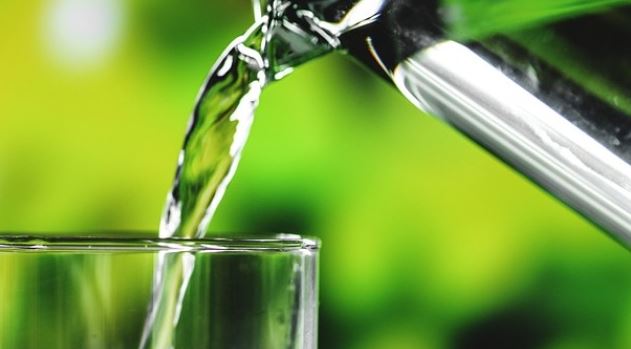
Water is vital to the human body. It helps to facilitate the proper functioning of different body organs like the kidney. Water is also a component of the blood. Taking it is essential for your blood compositions. It also plays a crucial role in getting rid of different body wastes through sweat and urine. Getting rid of such wastes from your body might be difficult when you don’t take enough water.
You are also at high risk of becoming dehydrated when you fail to take enough water. This will result in a variety of conditions and also make your skin dry up. Taking enough water is essential in ensuring you are in the perfect state all the time. You should take clean, purified water that will keep you free from a variety of conditions. This is available in different outlets. You can also buy a purifier and venture into the business.
Water should be taken at different times of the day. Most health experts recommend at least eight glasses a day. This should be taken at different intervals. Sticking to these intervals may prove to be difficult for different people. Here are ways you can remind yourself to drink water and stick to the habit.
Set Alarms
You can set reminders on your clock or mobile phone that will alert you to drink water. Setting an alarm that will alert you after every one or two hours is the best option. This way, you will always be notified when it is right to drink water. Doing so helps you reach the required target of the number of glasses you are supposed to take each day.
Get a Container
A good drinking container can also help you stick to the right water drinking habits. Look for one with a perfect appearance or design that will make drinking water a more enjoyable experience. Get one that can hold more water which you should finish in a day.
Buy a Water Dispenser
This is another device that can improve your water drinking habits. Its primary function is to dispense water from a bottle or a connected source through several outlets. Having it at home will encourage you to take more water every single day. Discipline is vital if you want to stick to the right water drinking habits.