
Tag: health

Tips for Speeding up Physical Recovery After Childbirth
Childbirth is one of the most transformative experiences in a woman’s life, but it also brings immense physical and emotional challenges. The body undergoes major changes during pregnancy and delivery, leaving new mothers in need of rest, nourishment, and gentle care to regain their strength. While postpartum recovery is different for every woman, there are universal strategies that can help restore balance and vitality. From prioritizing rest to maintaining good nutrition and emotional well-being, adopting a holistic approach can accelerate healing and promote long-term health. The following tips offer practical, evidence-based strategies to support your body’s recovery process, enabling you to regain energy and confidence as you adjust to your new role as a mother.
Prioritize Rest and Allow ther Body to Heal Naturally
Rest is not a luxury after childbirth—it’s a necessity. During pregnancy and labour, your body expends immense energy, and the postpartum period is the time to rebuild. Sleep allows tissues to repair, hormones to stabilise, and your immune system to strengthen. However, with a newborn’s unpredictable schedule, getting a full night’s sleep can be difficult. Instead, aim for short naps whenever possible and create a calm environment that promotes relaxation. Delegate household tasks, accept help from friends and family, and focus solely on your recovery and your baby’s needs. Mindfulness techniques and deep breathing excercises can also reduce stress and promote relaxation, helping your body heal faster. Prioritising rest during these early weeks lays the foundation for long-term recovery.
Eat Nutrient-Dense Foods That Support Healing and Energy
Your body needs high-quality nutrition to recover efficiently after childbirth. Consuming balanced meals rich in protein, fiber, vitamins, and minerals supports tissue repair and replenishes nutrients lost during delivery. Foods like lean meats, eggs, beans, nuts, and leafy greens provide the protein and iron needed for rebuilding blood and muscle tissue. Fruits and vegetables supply antioxidants that reduce inflammation and promote faster healing. Omega-3 fatty acids present in seeds and fish can improve mood and reduce postpartum depression risk. Staying hydrated is equally important—drink plenty of water, herbal teas, and fresh juices to support circulation, digestion, and milk production. Avoid processed foods and caffeine-heavy drinks, as these can cause dehydration and energy crashes. The right nutrition fuels your recovery and gives you the stamina needed to care for your newborn.
Incorporate Gentle Movement to Regain Strength

Physical activity might seem daunting after childbirth, but gentle movement can significantly speed up recovery once approved by your healthcare provider. Start with slow walks to improve blood circulation, prevent stiffness, and boost mood. Gradually add light stretching or yoga designed for postpartum women to enhance flexibility and restore core strength. Kegel exercises are particularly beneficial for rebuilding pelvic floor muscles that weaken during pregnancy and delivery. Avoid heavy lifting or high-impact workouts in the early weeks, as these can strain healing muscles and tissues. Instead, focus on consistency and gradual progress. Listening to your body is key—move when you feel ready, rest when needed, and celebrate every small improvement in strength and mobility.
Take Special Care of Postpartum Healing Areas
Caring for your body’s healing areas is crucial for preventing infection and reducing discomfort. If you have vaginal delivery, you may experience soreness or swelling. Warm sitz baths can soothe pain and promote blood flow, while cold packs help reduce inflammation. Keeping the perineal area clean and dry ensures proper healing. Avoid scented soaps or products that might cause irritation. For mothers who had a cesarean section, maintaining incision care is equally important. Gently clean the area, wear loose clothing, and avoid lifting heavy objects until cleared by your doctor. Watch for indications of infection, such as discharge or redness, and seek medical attention if needed. Treat your body with patience—every day of gentle care brings you closer to full recovery.
Support Emotional Well-being Alongside Physical Healing

Postpartum recovery isn’t just about physical strength; emotional well-being plays a major role in how fast you heal. Many new mothers have mood swings due to hormonal shifts, exhaustion, and the pressures of new motherhood. A strong support network can make all the difference. Stay connected with your loved ones, share experiences, and don’t hesitate to ask for help. Joining a new mothers’ group—either in person or online—can provide comfort, understanding, and encouragement. If you find yourself feeling persistently sad or anxious, seek help from a healthcare professional. Emotional support, adequate rest, and self-compassion are equally important in your journey to recovery. When your mind feels balanced, your body heals more efficiently.
Recovering from childbirth takes time, patience, and a nurturing approach. By prioritizing rest, eating nourishing foods, engaging in gentle exercise, caring for healing areas, and maintaining emotional well-being, you can speed up recovery and feel stronger each day. Every woman’s postpartum experience is unique, so listen to your body and honor its pace. Avoid comparing your progress to others—healing is personal and gradual. Remember, your body has achieved something extraordinary, and it deserves the same level of care and kindness it gave during pregnancy. With consistency and self-compassion, you can rebuild your energy, restore confidence, and embrace motherhood feeling renewed and empowered.

Health Mistakes Most Bodybuilders Need to Avoid
Bodybuilding is a journey filled with dedication, hard work, and passion. For many enthusiasts, the goal of sculpting an impressive physique often overshadows vital aspects of health. While lifting weights and pushing limits are essential parts of this pursuit, bodybuilders sometimes make critical mistakes that can jeopardize their overall well-being. By understanding these common pitfalls, you can enhance your performance and also ensure longevity in the sport. Let’s dive into some health mistakes that most bodybuilders need to avoid for a more sustainable fitness journey.
Overtraining
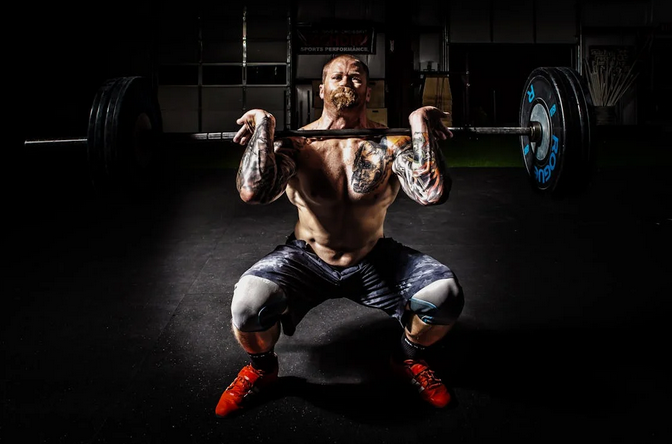
Overtraining can sneak up on even the most seasoned bodybuilders. It’s easy to get caught in the cycle of relentless workouts, believing that more is always better. However, pushing your body beyond its limits can lead to fatigue, decreased performance, and injury. When you overtrain, your muscles don’t have adequate time to recover. This not only stunts growth but also increases the risk of burnout. You may find yourself feeling mentally drained, losing motivation for those once-thrilling sessions at the gym. Signs of overtraining often include insomnia and mood swings. Your body sends signals when it needs a break; ignoring these warnings can be detrimental in the long run. Prioritizing the balance between training intensity and recovery is crucial for achieving lasting results without compromising health.
Neglecting Rest and Recovery Time
Rest and recovery are often overlooked in the bodybuilding community. Many enthusiasts believe that more training leads to better gains. However, this mindset can be counterproductive. When you push your body without adequate downtime, you’re risking injuries. Muscles need time to repair and grow stronger after intense workouts. Without rest, fatigue sets in, leading to diminishing returns on your efforts. Sleep plays a crucial role too. Lack of quality sleep affects hormone production and overall performance. A well-rested body is much more efficient at muscle recovery and growth.
Using Performance-Enhancing Drugs

The allure of performance-enhancing drugs (PEDs) can be tempting for many bodybuilders. The promise of rapid muscle gains and increased strength often overshadows the potential risks involved. Using these substances can lead to severe health complications. Heart issues, liver damage, and hormonal imbalances are just a few examples. Long-term use may result in psychological effects too, such as aggression or depression. Moreover, relying on PEDs undermines the hard work put into training and nutrition. It creates an artificial barrier to achieving true fitness goals through dedication and discipline. Natural growth takes time but builds a stronger foundation for long-lasting success. Embracing this journey not only enhances physical abilities but also fosters mental resilience. Building your physique without shortcuts ensures that you’re genuinely proud of every achievement along the way.
Bodybuilding is a rewarding journey, but it’s essential to navigate it wisely. By avoiding common health mistakes like overtraining, neglecting recovery, and resorting to performance-enhancing drugs, bodybuilders can enhance their performance and longevity in the sport. Prioritizing health leads to better results and ensures that the experience remains enjoyable and sustainable. Embracing balanced training routines and respecting your body’s needs will pave the way for achieving fitness goals without compromising your well-being.

The Benefits of Bodybuilding
It is essential that people know that there is more to bodybuilding than just getting a good physique. The sport and art of bodybuilding is currently becoming popular among many people. Though some are professional in the sport of bodybuilding, many others are bodybuilding for various reasons.
The fact remains that more benefits come with bodybuilding, and a good number of people don’t know them. Since you are interested in bodybuilding, you should consider reading about research sarm. Below are some of the benefits associated with bodybuilding.
Bodily Health
 The first benefit that comes with bodybuilding is bodily health. To achieve great results, people are forced to work hard in the gym. Those who are into bodybuilding tend to be fit.
Bodybuilding is credited with reducing the risk of one getting coronary heart disease. Other cardiovascular health benefits include reducing high blood pressure and also cholesterol.
As a result of the exercises you do when bodybuilding, you will have stronger bones, which is essential in old age. Working with weights also has a beneficial impact on the joints and muscles. It is most likely you know about some of the physical health benefits of bodybuilding. On the other hand, you might not be aware of bodybuilding’s impact on mental health.
Mental Health
 It is important to note that mental health is as essential as physical health. Recent studies suggest that many people are suffering from different health conditions due to their mental health. It is rather unfortunate that many people only focus on their physical well-being and forget about their mental state.
Among the many benefits of bodybuilding is that it promotes mental health. Those that exercise with weights has stated that they have reduced level of stress, anxiety, and depression.
As we all know, through bodybuilding, many have achieved great bodies. When you start seeing significant results from working out, you will appreciate your body more. This will be crucial in building your self-esteem. Feeling good about your body is essential in improving mental health.
Conclusion
Bodybuilding involves weight training and other forms of exercise. Being physically active most of the time will be crucial in improving both your physical and mental health.
Most bodybuilders tend to eat healthy foods, and this will also be essential in your overall well-being. You will achieve your body goals, making you view life more positively and thus living a long and happy life.